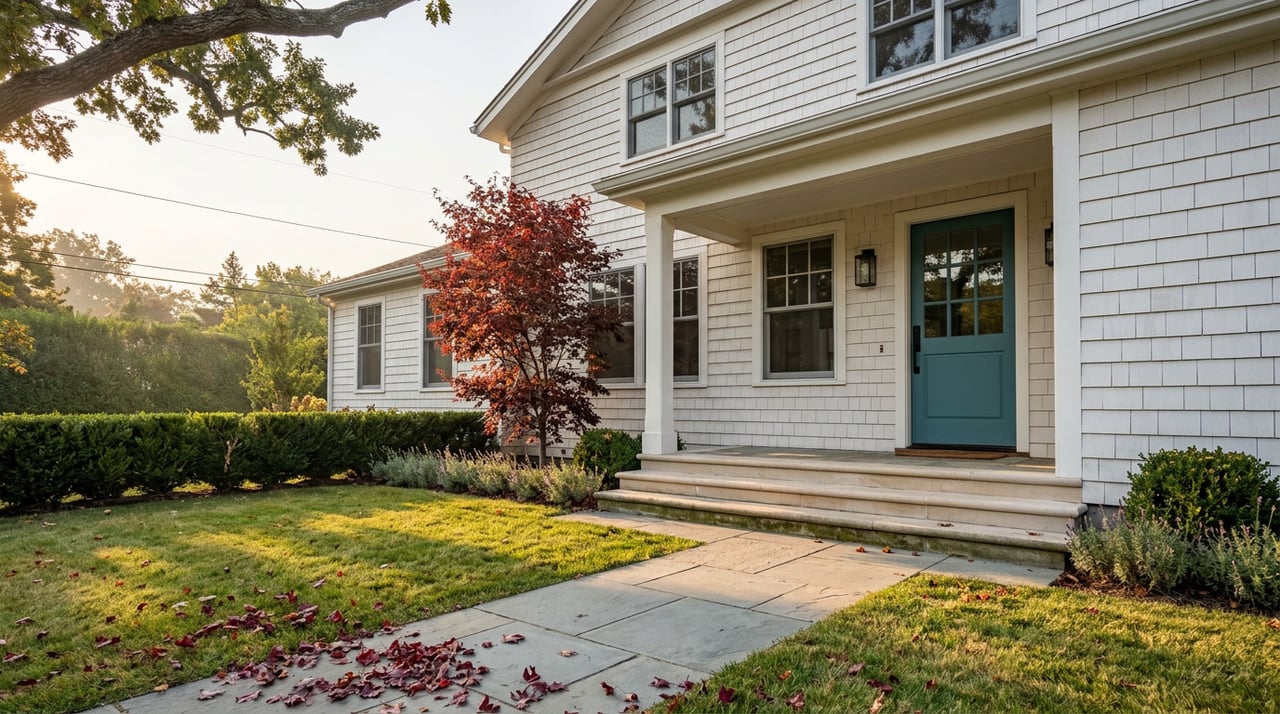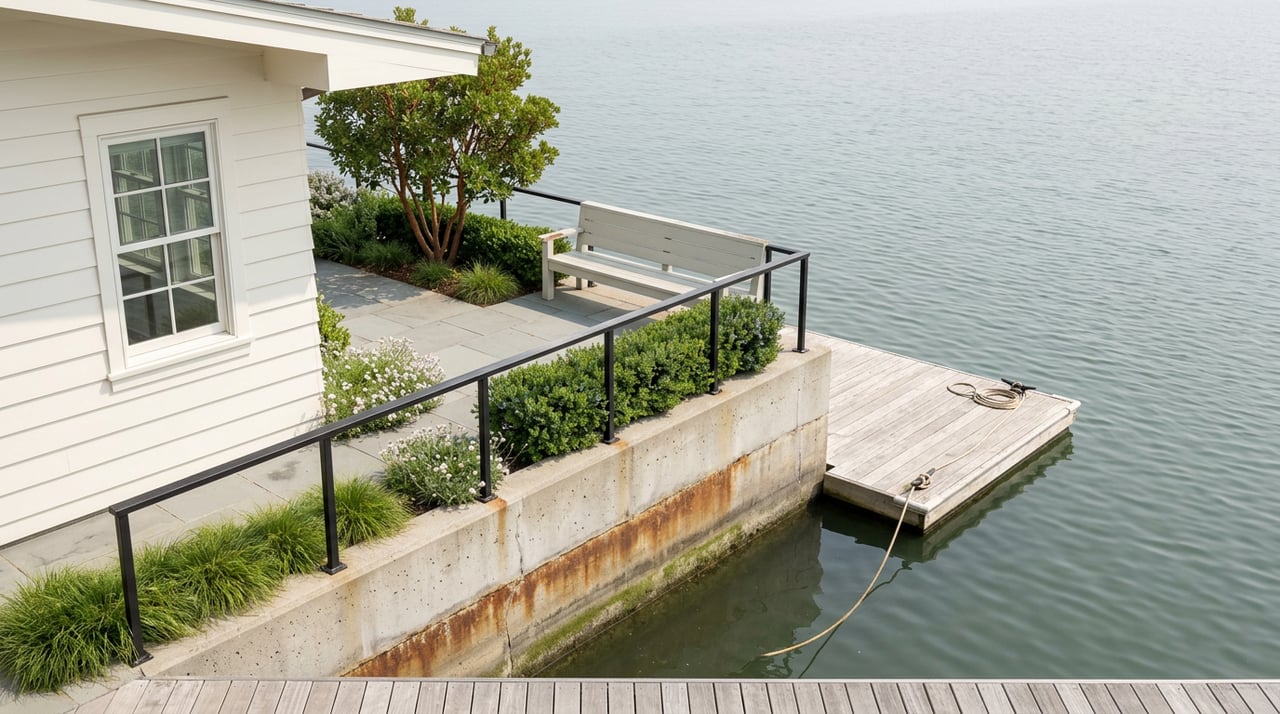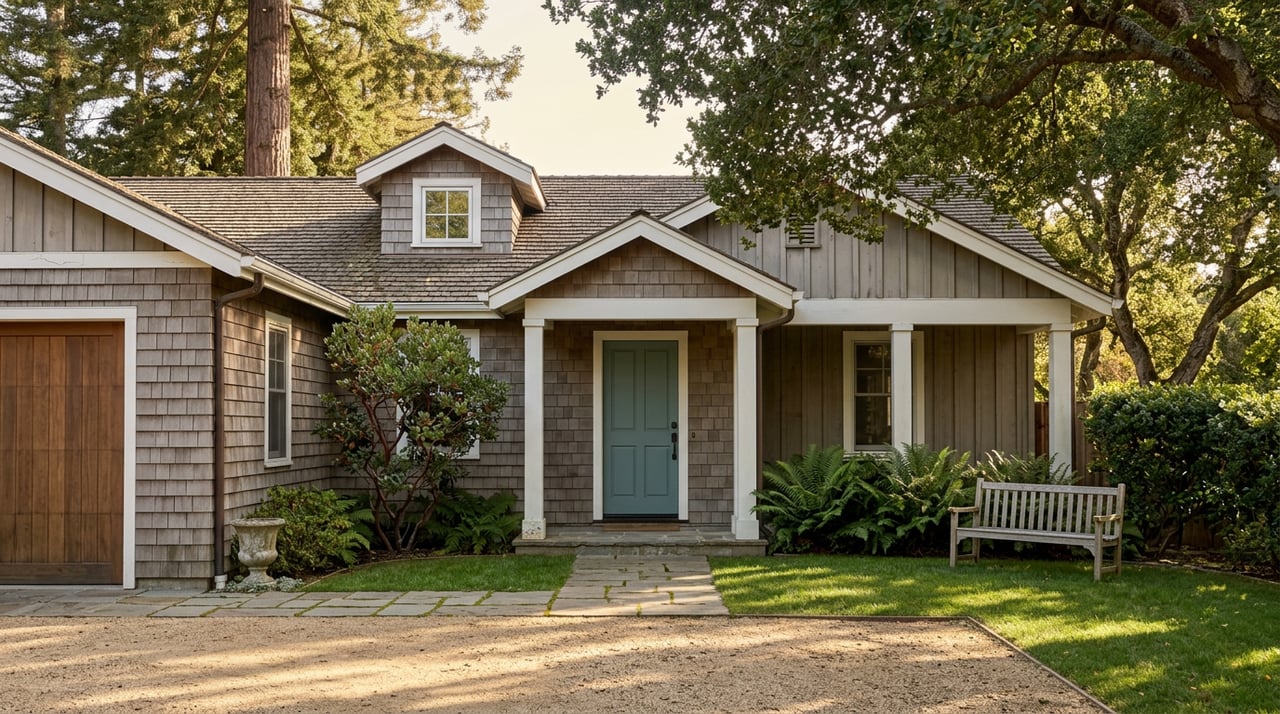
Buying a waterfront home in Tiburon can feel like finding the best of Marin in one property: sweeping Bay views, close access to the shoreline, and a lifestyle that is hard to replicate elsewhere. But here, the view is only part of the story. If you are considering a waterfront purchase, you also need to understand permits, flood exposure, shoreline rules, and how public access can affect privacy and long-term value. Let’s dive in.
Why Tiburon waterfront homes are different
Tiburon is not a market where you can assume a dock, seawall, or even a clear view works the same way it might in another coastal town. The Town of Tiburon notes that its permit rules are stricter than many California cities because of the peninsula’s geologic, topographic, and climate conditions, along with concerns about view protection, privacy, and aesthetics, as explained in the Town’s permit guidance.
That matters because a waterfront purchase here is shaped by several overlapping systems. Local design review, Bay shoreline permitting, and Richardson Bay vessel rules can all affect what you own, what you can change, and how you use the property over time. In other words, Tiburon waterfront buying is as much about due diligence as it is about lifestyle.
Views and privacy shape value
In Tiburon, views are not just a nice bonus. They are part of the planning framework. The Town’s General Plan 2040 calls for preserving principal vistas, viewpoints, and view corridors, while also protecting visual access to the bayfront and scenic shoreline areas.
For you as a buyer, this can cut both ways. Protected views may support long-term desirability, but view-related rules can also influence future remodels, additions, railings, shoreline structures, or landscaping decisions. If you are paying a premium for water views, it is smart to understand what local policy protects and what may still change nearby.
Privacy also deserves a closer look. Tiburon’s shoreline includes public gathering areas and scenic access points, including Shoreline Park near downtown with views of San Francisco, Angel Island, and the Golden Gate Bridge. Some waterfront locations offer exceptional scenery and convenience, but they may also come with more visibility, nearby pedestrian activity, or public access close to private homes.
The BCDC public access guidance notes that conflicts can be greatest where shoreline public access sits directly next to private residential uses. It also states that a Bay view can add substantially to home value. That is one reason view quality, public access, and privacy should all be part of your property evaluation from day one.
Waterfront improvements need multiple approvals
One of the biggest mistakes buyers can make is assuming shoreline features automatically come with a home and are fully permitted. In Tiburon, that can be a costly assumption.
According to BCDC permit information, most projects in San Francisco Bay and along the shoreline require a permit. Depending on the situation, that can include floating docks, fixed piers, gangways, boat hoists, and mooring buoys in the Bay or within the 100-foot shoreline band.
On top of that, Tiburon has its own requirements. The Town says that waterfront bulkheads, fixed piers, and fixed gangways require design review and a building permit, and guard railings are required for those structures under the Town’s permit rules. So even if a structure exists today, you should verify when it was built, whether it was approved, and whether any future repairs or changes would trigger additional review.
Do not assume boating rights transfer
If boating access is part of the appeal, verify every detail in writing. That includes whether the property has a legal dock, buoy, mooring, or access easement, and whether those rights actually transfer with the sale.
Richardson Bay is governed by the Richardson Bay Regional Agency, and its rules are important for waterfront buyers. RBRA states that you may anchor for up to 72 hours in the designated anchorage without a permit, but longer stays require an anchoring permit, according to its anchoring rules. RBRA also states that Richardson Bay is a no-discharge zone and that vessels anchored or moored there must be seaworthy and operable.
The agency’s ordinance and bail schedule also lists violations tied to private moorings, including maintaining or installing a private mooring without a permit and using a private mooring without permission. For you, the takeaway is simple: a seller’s past use does not automatically prove a legal, transferable right. Confirm the status of any boating-related feature before removing contingencies.
Flood risk is part of the purchase decision
Flood risk is one of the most important parts of buying a waterfront home in Tiburon. The Town’s sea-level-rise information says that parts of downtown already flood during major storms. The same page references Marin County BayWAVE projections showing likely sea level rise of 10 to 25 inches by 2040 and 60 inches or more by the end of the century.
Tiburon’s shoreline adaptation page adds more context. Long-term inundation could affect much of downtown, along with the Cove, Boardwalk, Paradise Cay, and Bel Aire areas, impacting about 135 acres on 450 properties. The Town estimates this long-term projection could mean more than $400 million in assessed-value damage, nearly $600 million in the single-family market, and about 2.5 miles of flooded roadways.
That does not mean every waterfront home carries the same level of risk. It does mean flood exposure and resilience planning should be treated as core financial questions, not side notes.
Insurance deserves early attention
Many buyers are surprised to learn that flood damage is typically not covered by a standard homeowners insurance policy. FEMA’s flood map service explains why it is important to review flood information even if a home is not in a high-risk zone.
Marin County’s NFIP guidance recommends reviewing whether a property is in a Special Flood Hazard Area, along with flood maps, flood zones, base flood elevations, and flood insurance questions. In practice, that means you should request parcel-specific flood information and an actual insurance quote early in the buying process.
A rough estimate is not enough. Before you commit, you want a clear sense of potential insurance cost, flood-zone designation, and any elevation-related documentation that may affect coverage or pricing.
Future rules may keep evolving
Another factor to keep in mind is that shoreline regulation is not static. Tiburon says it is moving toward a formal shoreline vulnerability assessment and climate adaptation plan aligned with regional guidance on sea level rise, according to the Town’s adaptation planning page.
For you, that means today’s due diligence should not stop with current conditions. It is also worth considering how future resilience requirements, shoreline adaptation work, or permitting expectations could shape long-term ownership, renovation plans, and resale.
Smart due diligence before you buy
A strong waterfront purchase in Tiburon usually starts with careful document review. Before removing contingencies, make sure you have answers to the basics that directly affect value and usability.
Use this checklist as a starting point:
- Confirm whether the dock, gangway, bulkhead, mooring buoy, easement, or shoreline access feature is actually part of the property rights and supported by records.
- Request copies of all Town, BCDC, and RBRA approvals for any structure or use in or near the water.
- Review parcel-specific flood maps, flood-zone details, base flood elevation information, and any available elevation certificate.
- Get a real flood-insurance quote early rather than relying on estimates.
- Ask how current view protections and planning policies could affect future remodels or additions.
- Verify whether any boating access, anchoring privilege, or mooring right is legal and transferable.
- Consider how nearby public shoreline access may affect privacy, foot traffic, and day-to-day enjoyment.
The bottom line on Tiburon waterfront buying
A Tiburon waterfront home can be an extraordinary lifestyle purchase, but the real value is about more than the view from the deck. It also depends on verified property rights, permit history, shoreline improvements, public access context, flood exposure, and the possibility of future adaptation rules.
When you take the time to understand those layers before you buy, you put yourself in a much stronger position to choose a property that fits both your lifestyle and your long-term goals. If you are exploring waterfront opportunities in Tiburon or anywhere in Marin, Suzanne Hughes can help you navigate the details with local insight and thoughtful guidance.
FAQs
What should you verify before buying a waterfront home in Tiburon?
- You should verify property rights, permit history, shoreline improvements, flood-zone information, insurance options, and whether any dock, buoy, or mooring rights legally transfer with the sale.
Do Tiburon waterfront docks and piers need permits?
- Yes. Waterfront bulkheads, fixed piers, and fixed gangways may require Town design review and building permits, and Bay shoreline projects may also require BCDC approval.
Does homeowners insurance cover flood damage for Tiburon waterfront homes?
- Usually not. FEMA states that most homeowners insurance policies do not cover flood damage, so you should review flood maps and request a specific flood-insurance quote during due diligence.
Can you assume a mooring or boating right comes with a Tiburon waterfront property?
- No. Buyers should confirm in writing whether a dock, buoy, mooring, or related access right is legal, permitted, and transferable.
Why is privacy an important issue for Tiburon waterfront homes?
- Privacy matters because some shoreline areas are near public access spaces, scenic viewpoints, or pedestrian routes, which can affect visibility, noise, and everyday enjoyment of the property.